2020 Ford F-350 6.7 Power Stroke heavy haul towing build Houston Drop Forged Diesel
Home/ Gallery/ F-350 Power Stroke Towing
Build Showcase  ·  Houston, TX

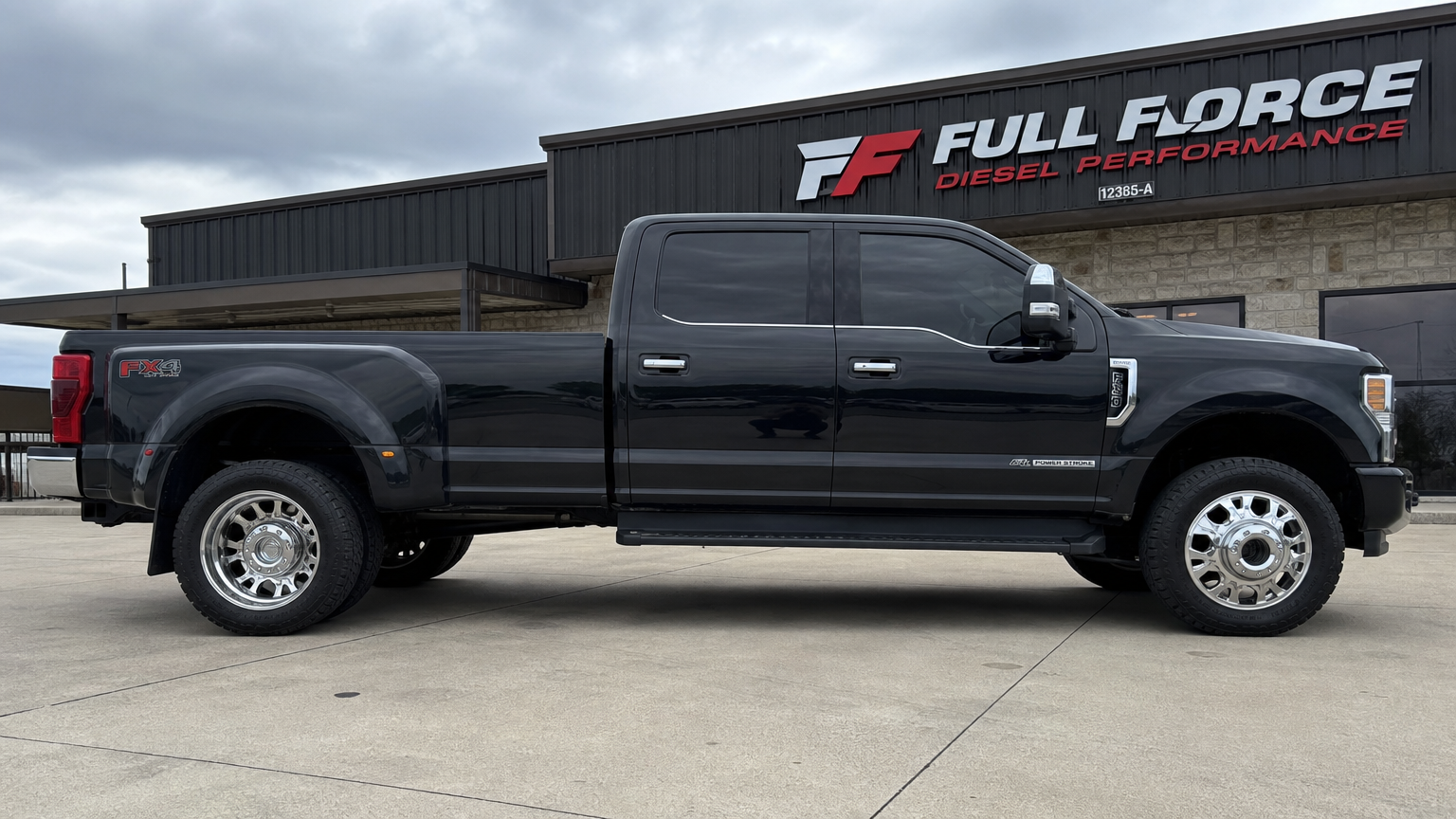
2020 F-350
6.7 POWER STROKE
HEAVY HAUL
TOWING BUILD

Vehicle
2020 F-350 SRW
Engine
6.7L Power Stroke
Purpose
Heavy Haul Tow
Output
490 RWHP
Torque
920 LB-FT
Build Story

BUILT FOR THE
LONG HAUL.

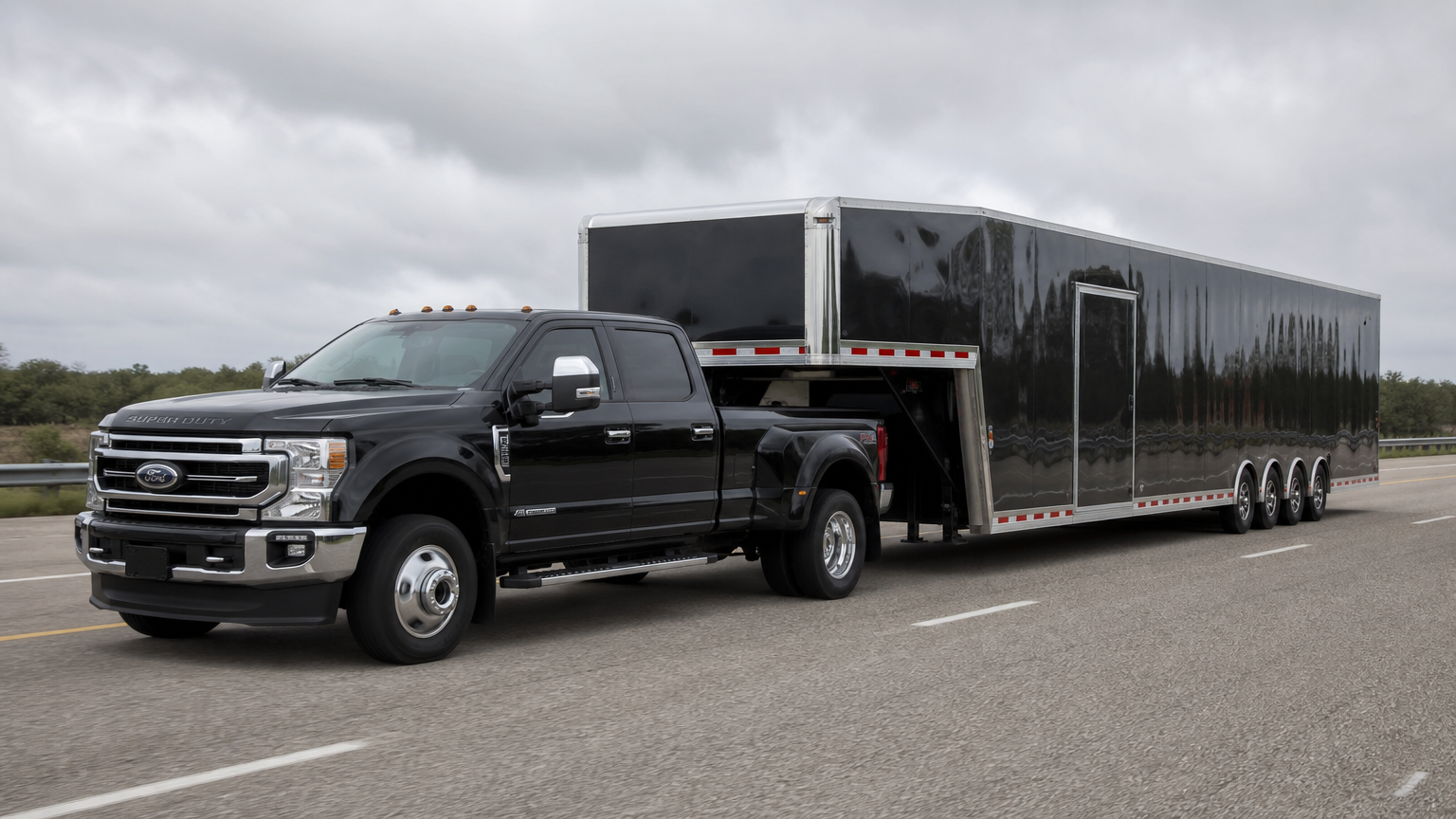
This 2020 F-350 came in from an owner who hauls heavy — a 40-foot gooseneck with equipment regularly loaded to 24,000–26,000 lbs. The factory tune was running the truck hot on long pulls. On summer days pushing over an hour at highway speed with a loaded trailer, EGT would climb into concerning territory and torque converter lockup felt inconsistent.

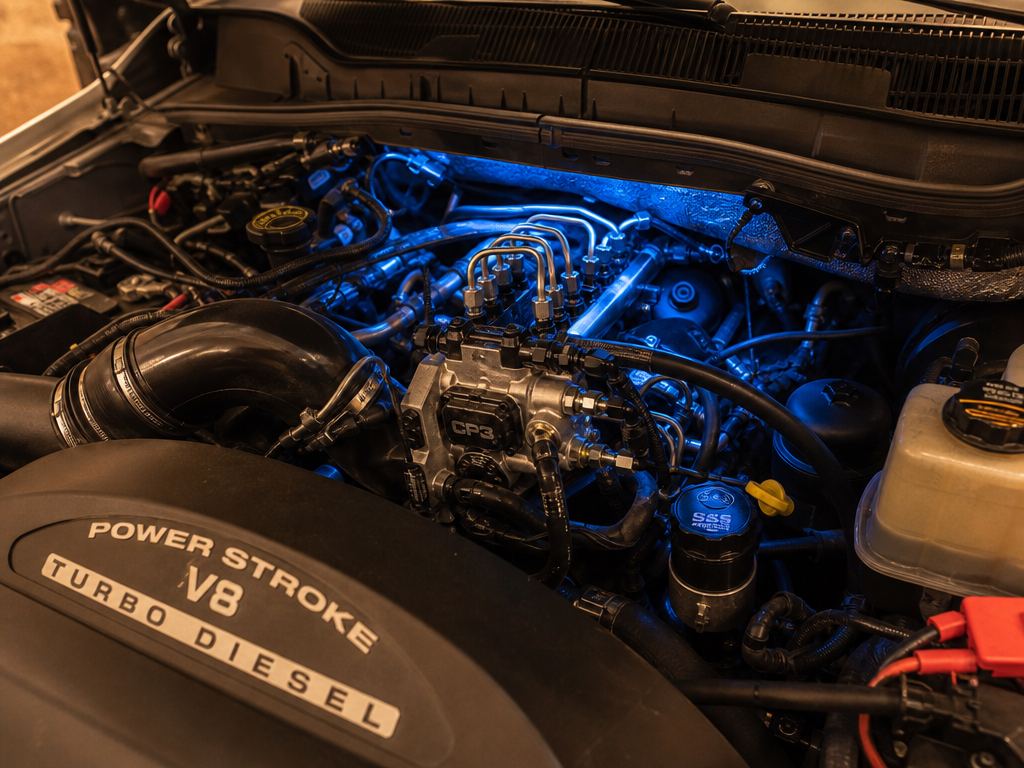
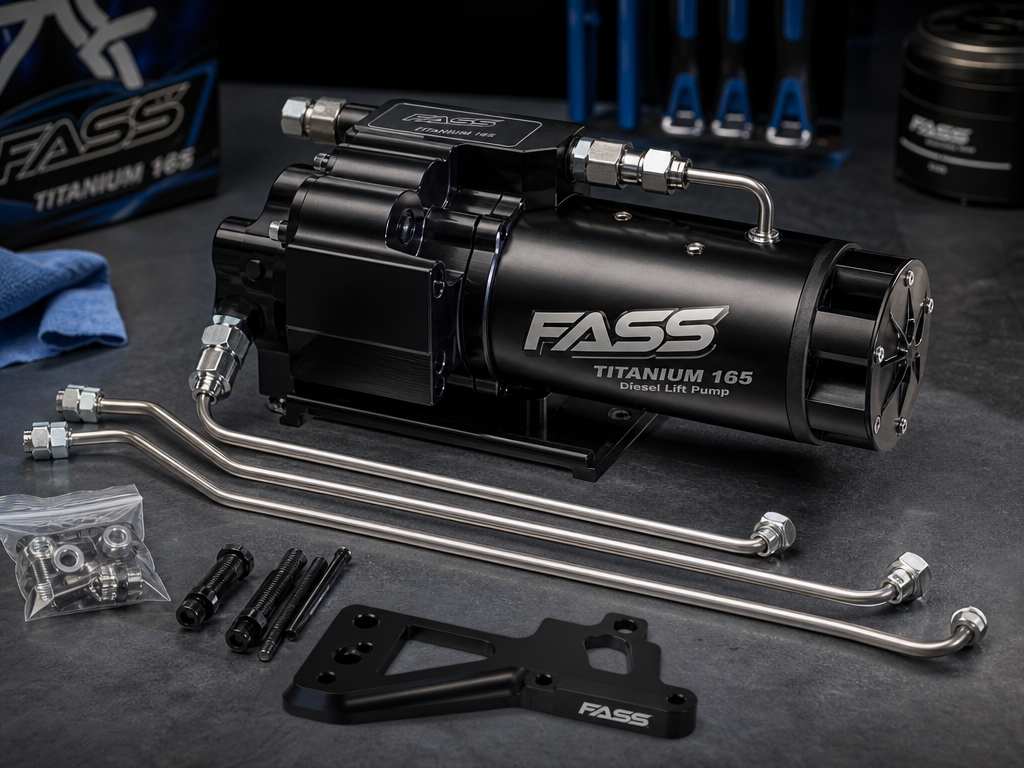
The 2019+ 6.7 Power Stroke runs a CP4.2 injection pump from the factory — the same pump family responsible for catastrophic high-pressure fuel system failures documented across the 6.7 PS platform. Before any tune discussion, the CP3 conversion was the first line on the build sheet. A FASS Titanium 165 lift pump was installed alongside it to ensure the CP3 receives clean, aerated-free fuel at consistent pressure regardless of load.

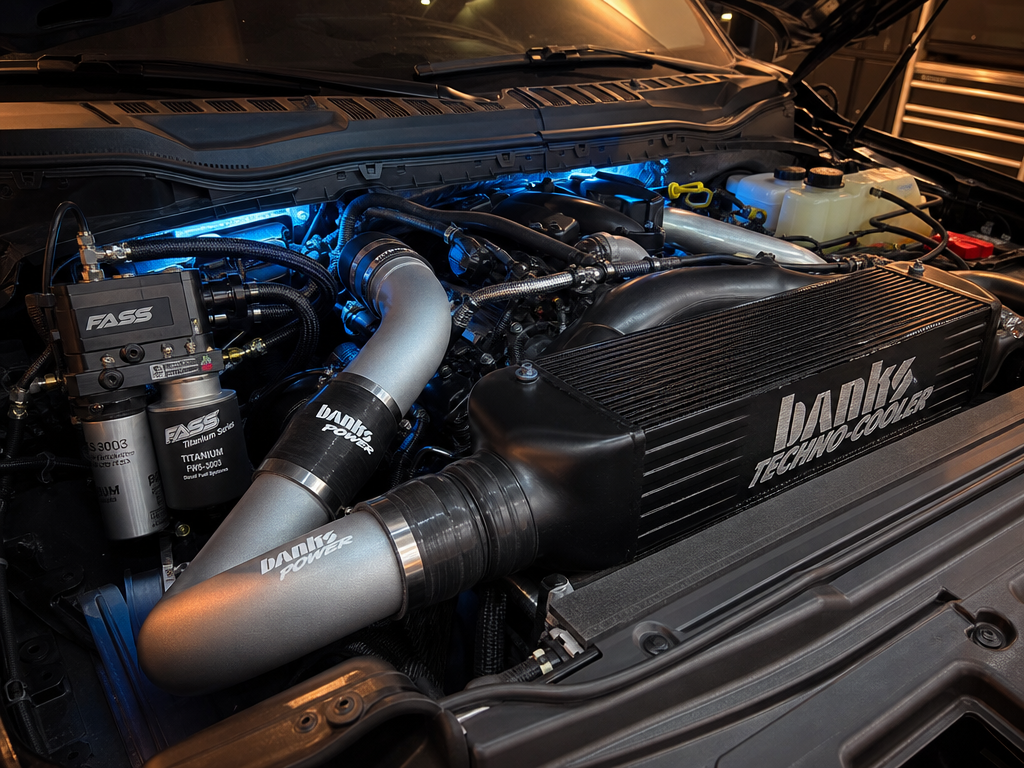
With the fuel system sorted, a Banks Power intercooler replaced the factory core — the larger thermal capacity matters on long towing pulls where the factory intercooler can heat-soak on extended grades. The EGR cooler was inspected and replaced proactively; on 2019–2022 trucks, we recommend inspection before any tune since a failing EGR cooler passing coolant into the intake will mask itself as a tune issue until it destroys the engine.

The HP Tuners Stage 2 tow tune was the final piece — calibrated specifically for the owner's load profile with aggressive EGT ceilings, smooth converter lockup strategy, and torque management that keeps the 6R140 shift quality consistent under load. See the 6.7 Power Stroke build page for how this fits the broader platform path, and the towing performance package for what we do for dedicated tow trucks.
EGT Management — The Core Towing Metric
Exhaust gas temperature is the one number that determines whether a long tow kills an engine or doesn't. A well-tuned 6.7 Power Stroke with a proper fuel system and intercooler holds EGT under 1,400°F sustained. Stock trucks with heavy loads can climb past 1,600°F on grades. This build was calibrated around the owner's specific route and load — not a generic tow tune file.
2020 F-350 6.7 Power Stroke Banks intercooler FASS lift pump installed
Build Context

The owner hauls construction equipment between Houston and job sites in Central Texas — 200–300 miles each way, loaded. The build was designed for sustained highway pulls, not dyno numbers. The tow tune prioritizes EGT ceiling, trans shift quality, and fuel economy at load — not peak horsepower.

Full Build Sheet

Every Component on This Build

Complete parts list — what was installed, what was replaced for reliability, and what carried over from stock.

FUEL SYSTEM
  • Lift PumpFASS Titanium 165 — frame-mounted, pre-filter + water separator
  • Injection PumpCP3 conversion — replaces factory CP4.2
  • Fuel LinesUpgraded CP3 supply lines — FASS to CP3
  • InjectorsFactory injectors retained — Stage 2 within stock injector range
  • Water SeparatorFASS integrated — inline with lift pump
INDUCTION & COOLING
  • IntercoolerBanks Power intercooler — larger core, high-flow end tanks
  • EGR CoolerReplaced — proactive replacement, 2019–2022 MY recommendation
  • TurboFactory variable geometry — calibrated within stock turbo range
  • Intake PipeS&B cold air intake — increased filter area
  • Coolant SystemFull flush + Evans waterless coolant — higher boilover threshold
TRANSMISSION
  • Platform6R140 — recalibrated, no full rebuild required at Stage 2
  • CalibrationShift pressure + converter lockup — tow-profile specific
  • Trans CoolerExternal B&M transmission cooler — supplement to factory unit
  • FluidMotorcraft MERCON LV — full flush at build completion
CALIBRATION
  • PlatformHP Tuners — Stage 2 dual profile
  • Street TuneDaily drive profile — smooth power delivery, fuel economy
  • Tow TuneHeavy haul profile — EGT ceiling, converter lockup, torque management
  • EGT Ceiling1,375°F sustained — matched to owner's load and route
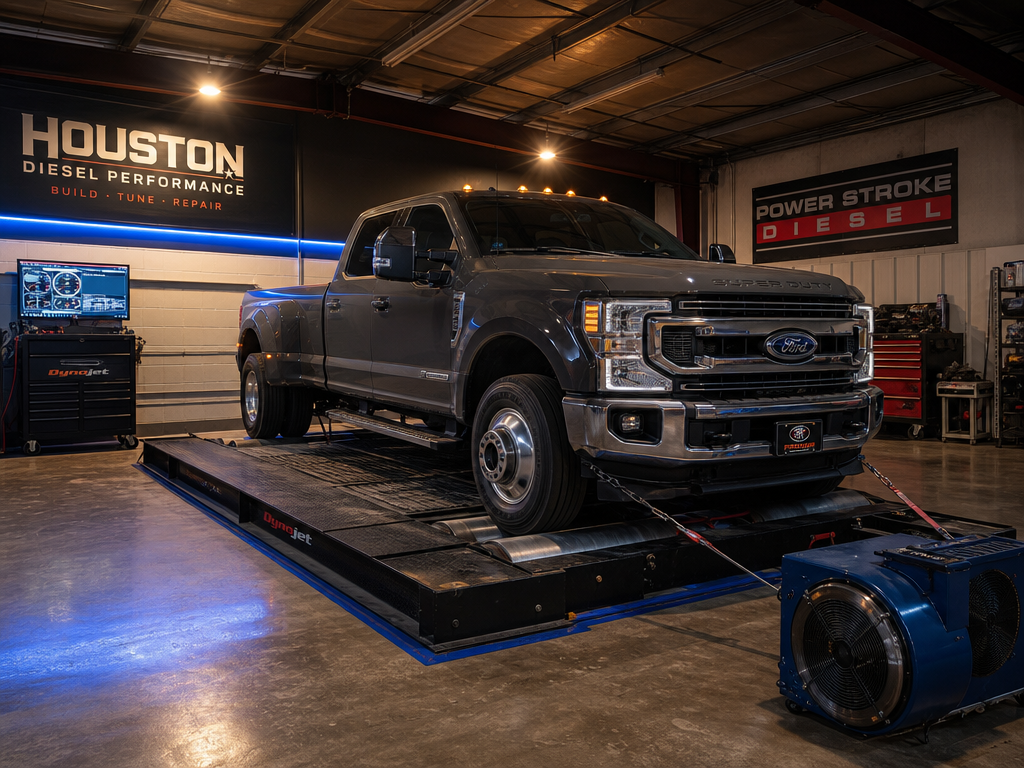
  • VerifiedChassis dyno + 200-mile loaded road validation
Verified Results

Dyno-Verified Output — Tow Tune Profile

Chassis dyno figures plus a 200-mile loaded validation run. The tow tune was finalized after the road validation, not before.

Wheel Horsepower 490 rwhp on tow tune · up from 380 stock
Wheel Torque 920 lb-ft on tow tune · up from 715 stock
EGT Sustained 1,375° at highway speed, 25k lbs, grade — vs 1,580°+ stock
Build Time 8 DAY Includes CP3 conversion + road validation
Why Each Component

Built Around the Load, Not the Dyno

Every decision on this truck was made with 25,000 lbs behind it and 200 miles of I-10 ahead of it.

CP3 Conversion — First Priority
The 2019+ 6.7 Power Stroke ships with a CP4.2 high-pressure injection pump. CP4 failures — driven by contamination and aeration — can send metal debris through the entire high-pressure fuel system in milliseconds. The cost of failure is a full injection system replacement, often $10,000–$18,000. The CP3 conversion adds a proven gear-driven pump that is more tolerant of fuel quality variation and aeration. On a truck that will spend its life under load, this is not optional. We do not tune 2019+ Power Strokes without this conversion in place.
FASS 165 — Fuel Quality at the Source
The CP3 conversion requires a capable lift pump — the factory lift pump in the tank is not adequate to maintain the CP3's inlet demand under load. FASS Titanium 165 is frame-mounted to keep heat out of the equation, integrates a water separator, and maintains consistent positive inlet pressure to the CP3 regardless of load state or fuel temperature. Tow trucks pulling 200-mile legs in Texas heat need the fuel system sorted before anything else is discussed.
Banks Intercooler — Thermal Capacity Under Load
On a short acceleration run, the factory intercooler is adequate. On a 45-minute highway pull up a grade with a 25,000-lb trailer, charge air temperature matters. A heat-soaked intercooler compresses hot, less-dense air into the cylinders — that means the ECM pulls fuel and timing to protect the engine. The Banks core moves more mass, stays cooler longer, and lets the tune hold its calibration across the full length of a pull instead of derating as temps climb.
HP Tuners Tow Tune — Not a Generic File
Generic stage files optimize for peak dyno numbers, not for the specific thermal and load profile of a truck doing 25,000-lb pulls across Texas. This tune was calibrated around the owner's actual route, load, and ambient conditions — the EGT ceiling, converter lockup schedule, and throttle response curve were all adjusted specifically. The result was validated on a 200-mile loaded run before delivery. See the engine tuning page and transmission upgrades for the full platform context.
Build Questions

About This Build

Questions we heard on this specific build and the answers behind them.
Why replace the EGR cooler on a 2020 truck with only 60,000 miles?+
On 2019–2022 6.7 Power Strokes used for heavy towing, EGR cooler failure before 100,000 miles is not uncommon. Coolant passages in the cooler develop cracks under thermal cycling — the result is a small amount of coolant entering the intake and EGR system. Early failure presents as white smoke or a sweet smell under load. By the time it's obvious, coolant has often been entering the intake for miles. On a tow build that will spend its life under sustained thermal load, we recommend proactive replacement at the build stage rather than reactive replacement after the cooler fails. The inspection alone caught early cracking on this truck at 58,000 miles.
Does the 6R140 need a full rebuild at Stage 2 on a tow truck?+
At a conservative Stage 2 tune — in the 480–520 rwhp range with a purpose-built tow calibration — the 6R140 does not require a full rebuild. The factory clutch pack and converter are rated to handle Stage 2 power levels. What matters is the shift calibration: consistent converter lockup, proper pressure ramp, and controlled torque management under load. A generic stage file that maximizes power without tuning the 6R140 behavior will stress the transmission more than a purpose-built tow tune at the same power level. If this build were targeting 650+ rwhp, a transmission rebuild would be on the sheet.
How is a tow tune different from a stage tune for power?+
A power stage tune prioritizes peak output — it's optimized for a dyno pull or WOT acceleration. A tow tune prioritizes sustained output at a specific load profile. The differences: the EGT ceiling is set lower and holds there rather than allowing brief spikes; converter lockup is tuned for smooth engagement under load rather than aggressive engagement for performance; throttle response is calibrated for trailer stability and predictability rather than quick response. The result is a truck that is better to drive towing heavy — not faster to 60 mph on an empty road.
Can I run the same truck on both a street tune and a tow tune?+
Yes. HP Tuners supports multiple stored calibrations switchable from the cab. This truck runs a street tune for daily use and a tow tune for hauling. The driver selects the profile before hooking up the trailer. The street tune is not constrained by towing-specific EGT limits — it can run a more aggressive fuel and timing curve for daily driving. The tow tune's conservative ceiling comes off, and the truck performs differently unladen. Two use cases, two calibrations, one truck.
Ford F-350 6.7 Power Stroke towing build Houston Drop Forged Diesel
Build Your Power Stroke

READY TO PLAN
YOUR TOWING BUILD?

Tell us what you pull, how far, and how often. We'll build the fuel system, calibration, and supporting upgrades around your specific load profile.

BOOK YOUR CONSULTATION

Houston metro diesel performance service area