CUMMINS
PERFORMANCE
HOUSTON
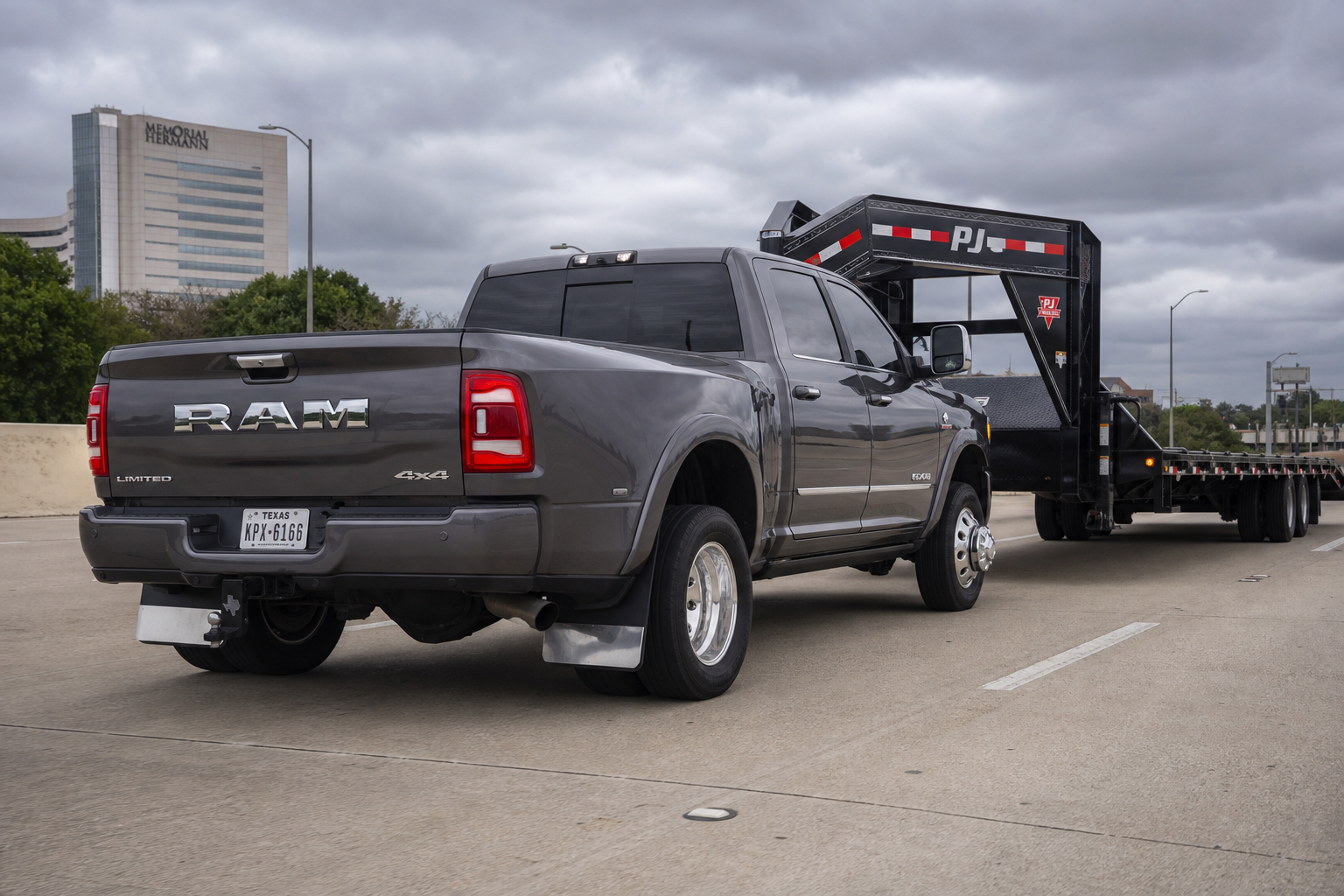
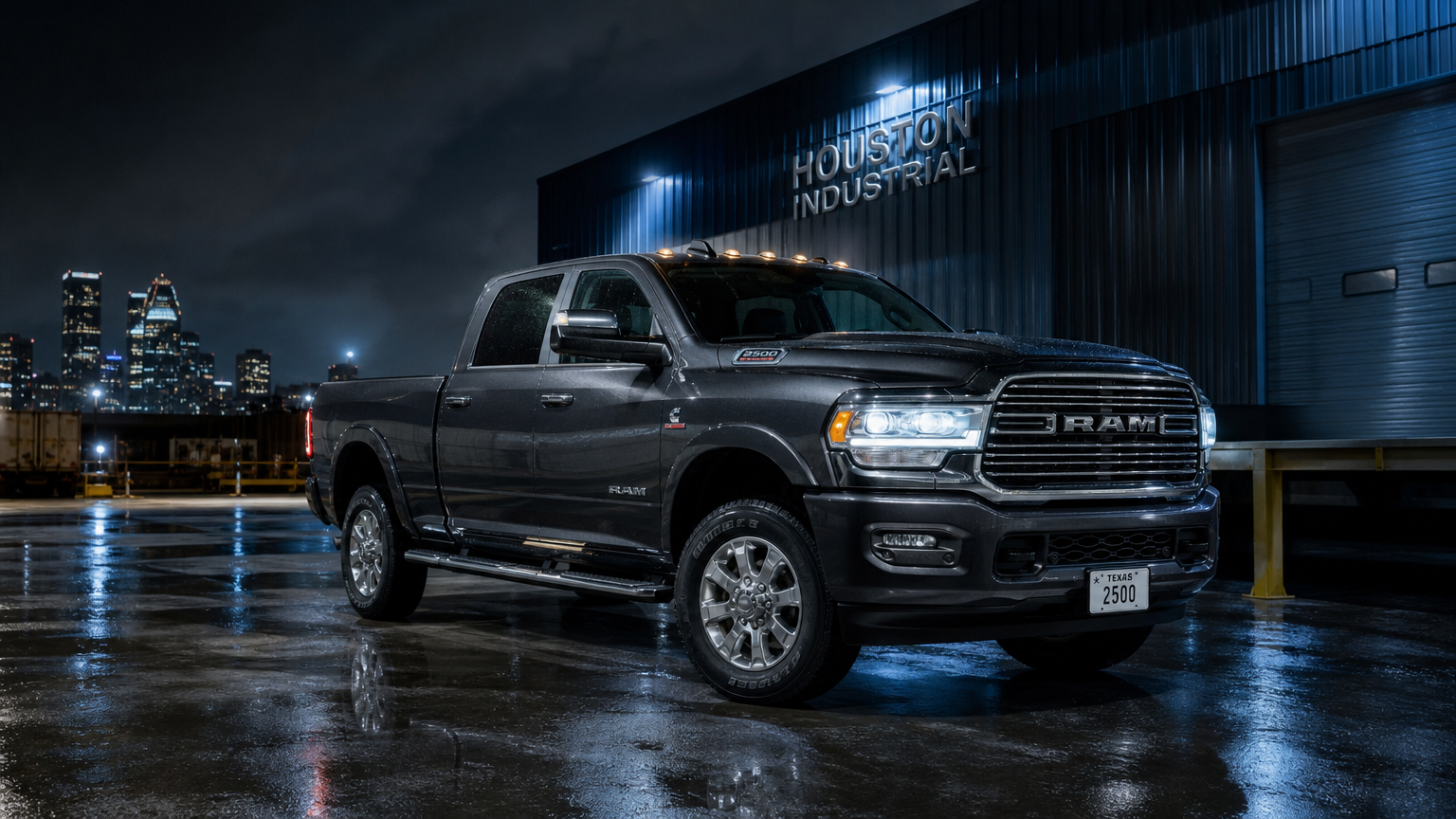
5.9 and 6.7 Cummins builds for Ram 2500 and 3500. Compound turbos, CP3 conversions, EFI Live calibration, and injector upgrades — platform-specific work from a shop that runs all three generations.
The Highest Enthusiast
Ceiling in Diesel.
We Know Where Every Wall Is.
The Cummins has the broadest performance range of any diesel platform nationally — from a 12-valve mechanical that runs 300,000 miles without a computer to a 6.7 compound-turbo sled pull truck doing 600+ rwhp. The platform supports that range because the architecture is fundamentally strong: the inline-six, the iron block, and the injection system all handle more than the factory calibration asks of them.
What we know after 12 years of Cummins work in Houston is where the ceiling is on every generation. The 5.9 12-valve is a mechanical platform — fueling changes and timing advance are mechanical changes, not ECM calibration. The 5.9 24-valve introduced the VP44 injection pump and common rail behavior — different failure modes, different build strategy. The 6.7 is the common-rail platform most owners are on, and it has its own CP4 window (2019+) and transmission considerations that the earlier 6.7 trucks don't. Three different conversations. We know all three.
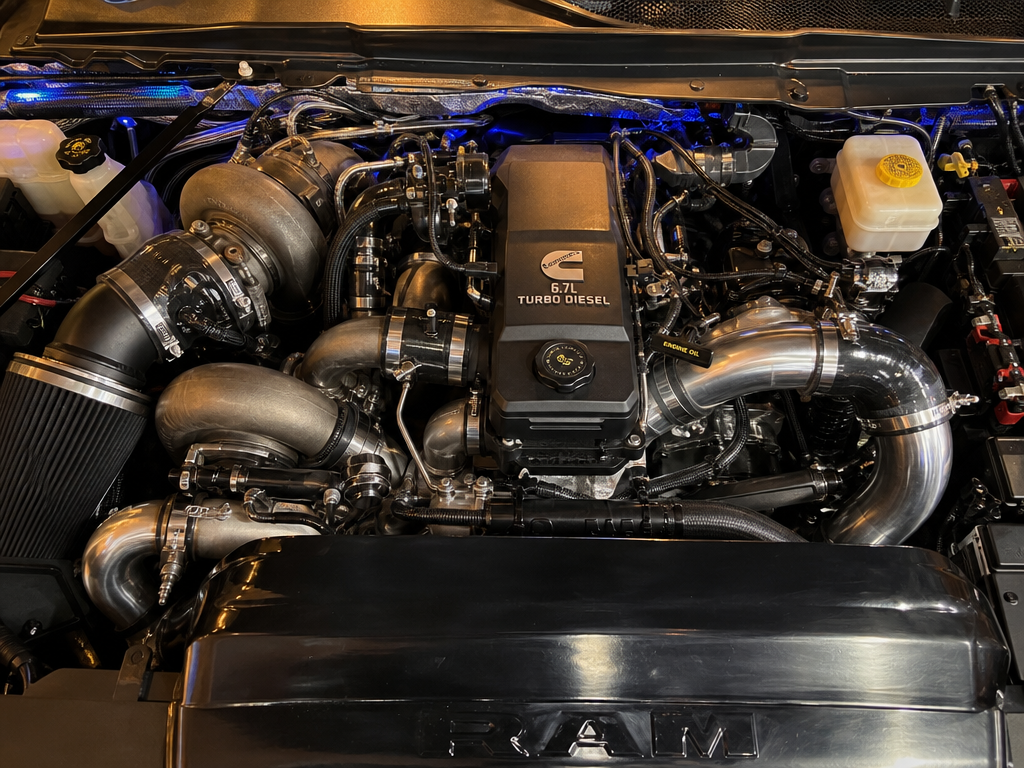
For the compound turbo builds, Industrial Injection components are our standard on injectors and high-pressure pump kits. See a completed compound turbo Ram 2500 build for a real-world breakdown of what this looks like from consultation to dyno sheet.
What the Cummins Tells You
When You Push It.
Every platform has a known failure chain under power. The Cummins is no exception. The difference between a build that holds and one that doesn't is knowing where the chain breaks before it breaks under your timeline.
The 2019+ Ram 6.7 switched to the Bosch CP4 from the factory. Same failure risk as the 6.7 Power Stroke — fuel lubricity-dependent and prone to catastrophic failure under elevated demand. CP3 conversion is the correct first step on any 2019+ build before an aggressive tune goes on. See our fuel system upgrades page for conversion details.
The 68RFE behind the 6.7 Cummins has a torque capacity limit that a staged tune will find quickly. A built transmission or a valve body upgrade is a conversation that happens alongside the tune plan, not after the factory unit fails at elevated power. The Aisin 6-speed on heavier-spec Ram 3500 DRW trucks is a more capable unit but still has considerations at compound power levels. 68RFE and 48RE transmission work is something we address as part of the full build plan.
On 6.7 compound builds pushing past 450–480 rwhp, stock injectors become the fuel delivery limit. Upgraded injectors from Industrial Injection are sized to the power target and the tune calibration — not to a general upgrade recommendation. On the 5.9 platform, injector condition is a key variable on high-mileage trucks regardless of build level.
How a Cummins Build
Should Be Sequenced.
The most expensive Cummins failures we see in the shop are the ones that got out of sequence. A stage 2 tune on a stock fuel system. A compound turbo on a stock transmission. Every build level unlocks the next problem — when you know the sequence, you solve the problem before it becomes the one that costs you.
This is the conversation we have at consultation. Bring the truck in and we'll tell you exactly where your platform sits on this progression and what needs to happen before the next step is safe.
FASS Titanium lift pump and filtration system. Establishes consistent fuel delivery and protects the injection system before any tune or power add. Required before any performance work on a stock Cummins. FASS installer details.
If your Ram is a 2019 or newer 6.7, the CP3 conversion happens before the tune. This is not optional on a performance build — the CP4 failure risk under elevated demand is too significant to bypass. See our fuel system upgrades page.
Custom EFI Live calibration written for your platform, your fuel system, and your use case. Dyno baseline before, verification pull after. Stage 1 or Stage 2 depending on the supporting hardware and the power target. EFI Live custom tune details.
S300 compound for street and towing. Larger S400 compound or big single for competition. Intercooler upgrade spec'd alongside the turbo. Full turbo build details.
Upgraded injectors sized for the compound power target — addressed when the build target exceeds stock injector capacity. Industrial Injection stage injectors are our standard choice. Tune revision follows injector install.
A built or valve-body-upgraded 68RFE for high-power builds. The conversation about transmission capacity happens at the build plan stage — not when the factory unit fails at 450+ rwhp. Transmission upgrade details.
2022 Ram 2500 6.7 Cummins
S300 Compound Build — 524 rwhp
This truck came in as a daily-driver/tow rig with factory power and a canned tune the previous owner had loaded. The owner wanted a legitimate compound build capable of the local sled pull circuit without sacrificing drivability.
Build sequence: FASS Titanium lift pump, CP3 verification (pre-2019 variant — already on CP3), S300 compound turbo setup with a front-mount intercooler, Industrial Injection stage 2 injectors, and a custom EFI Live calibration written after the hardware was installed. Before dyno: 287 rwhp. After: 524 rwhp — verified on our in-house chassis dyno.
The transmission stayed stock for the first season. It's back in for a 68RFE build now that the power level has been proven. That's the sequence working exactly as designed. Full build breakdown on the showcase page.
Cummins Performance FAQ
What Ram 2500 and 3500 Cummins owners ask before the first consultation.

5.9 OR 6.7 —
WE BUILD BOTH.
Platform-specific Cummins performance in Houston for Ram 2500 and 3500. Compound turbo builds, CP3 conversions, EFI Live calibration, and injector upgrades — sequenced correctly so every step supports the next. Bring the truck in and we'll walk through the build plan.