DURAMAX
PERFORMANCE
HOUSTON
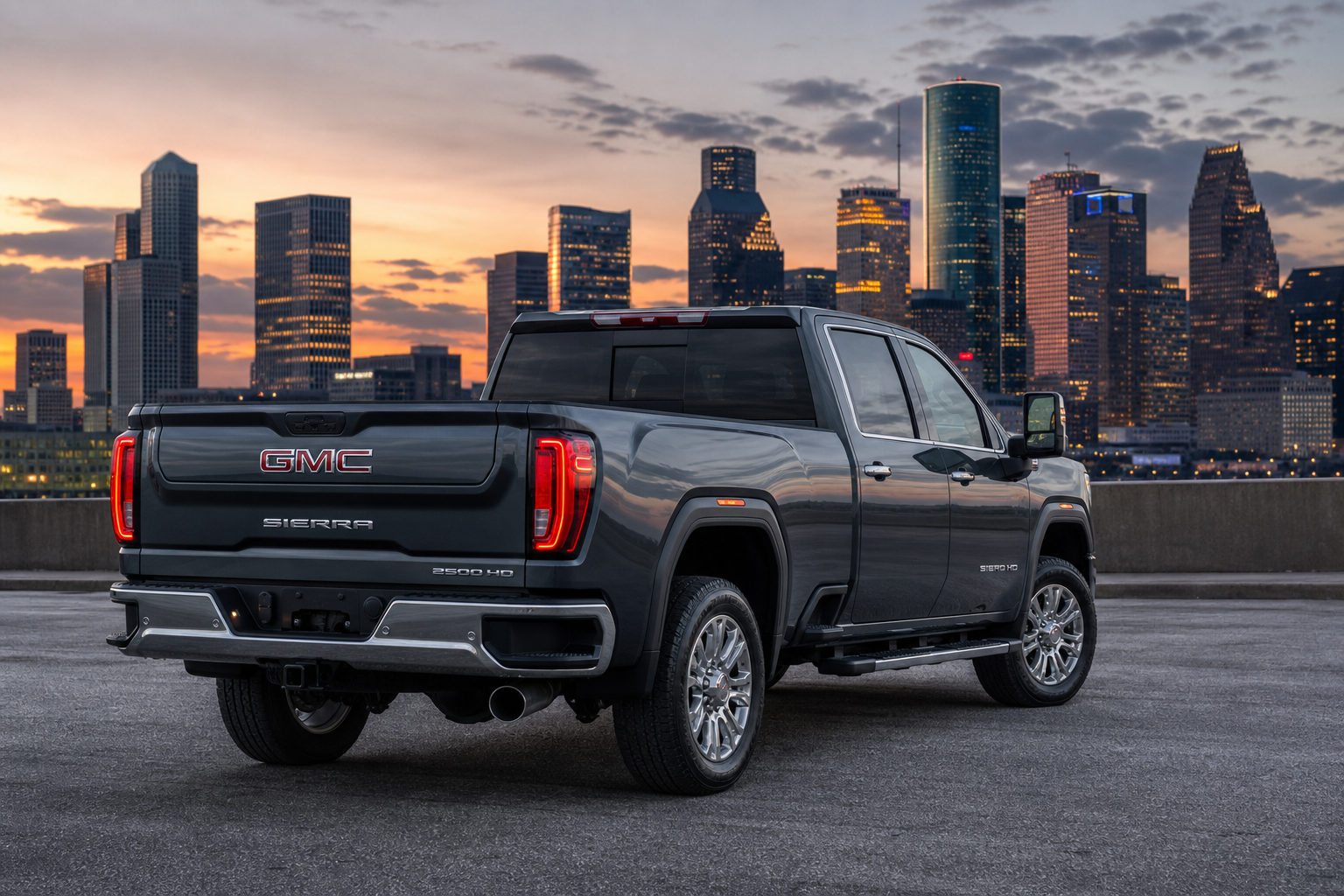
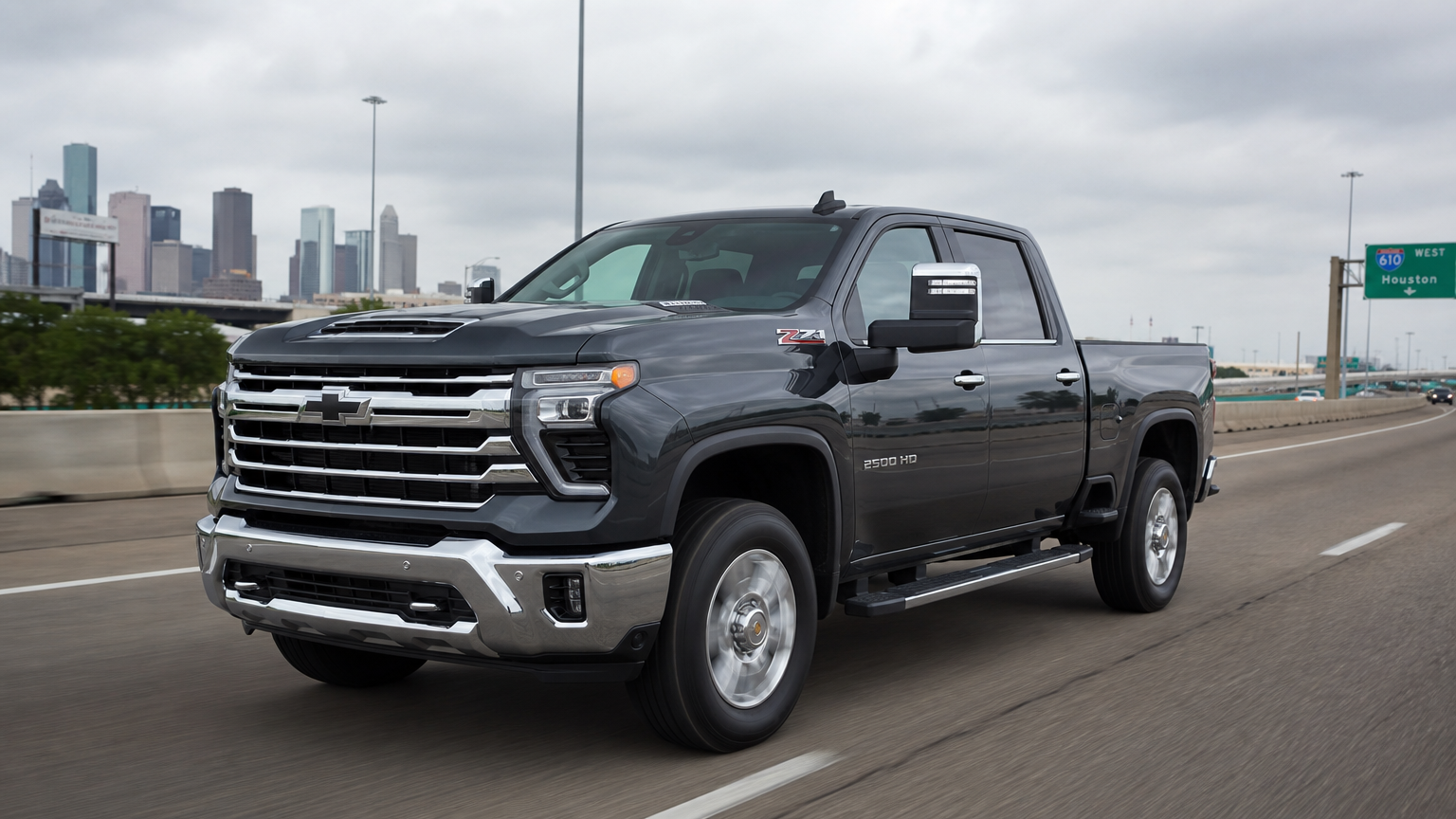
LBZ, LML, and L5P Duramax performance for Silverado 2500HD and Sierra 2500HD. EFI Live calibration, CP4 conversion on the LML and L5P, compound turbos, and Allison upgrades — built in sequence, verified on the dyno.
Why the Duramax
Generation You Own
Changes Everything.
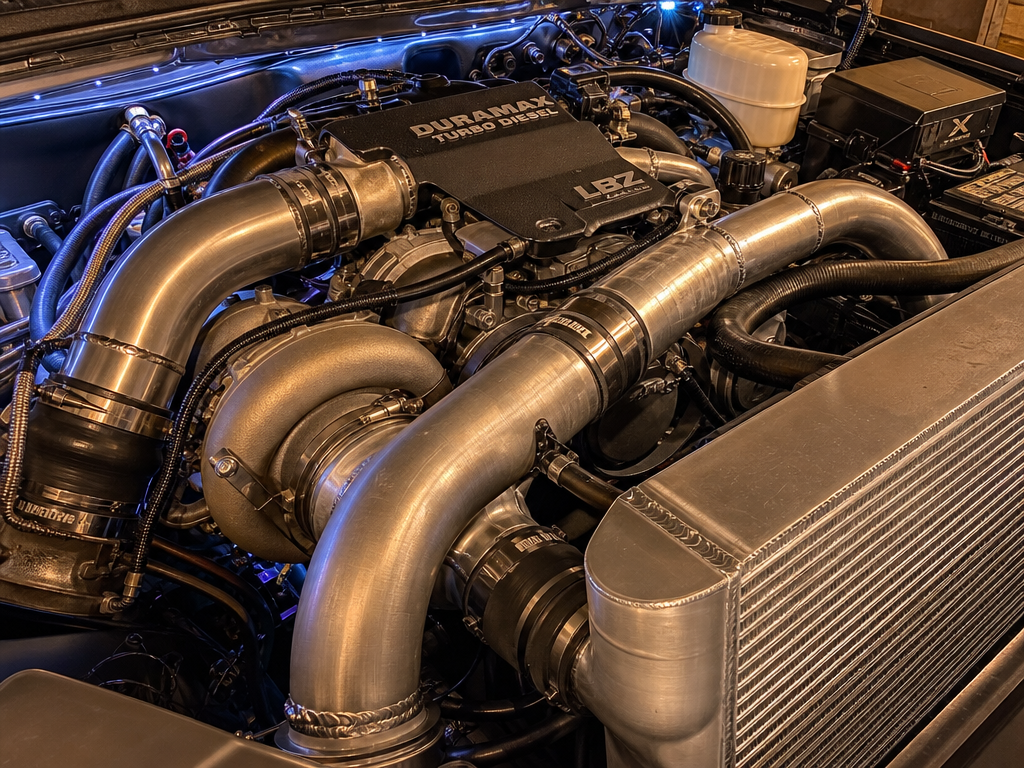
The LBZ (2006–2007) is the benchmark Duramax platform for performance work. It runs a CP3 injection pump from the factory, has a clean emissions architecture compared to later generations, and the aftermarket has had 15+ years to develop calibrations and hardware for it. An LBZ with a compound turbo setup and custom EFI Live calibration is one of the most capable diesel platforms available at any price point.
The LML (2011–2016) and L5P (2017+) are stronger base engines in most respects — but they carry the Bosch CP4.2 injection pump. Same failure mode as the 6.7 Power Stroke: under elevated fuel demand, the CP4 cavitates and contaminates the entire fuel system. LML CP4-to-CP3 conversion is the first step on any LML or L5P performance build. The L5P adds a security layer over the ECM that requires specific tuning access — we account for that in the L5P build approach.
See the completed Silverado Duramax street build for a real-world example of how we structure an LBZ compound build from baseline to finish.
LBZ. LML. L5P.
Each One Earns Its Own Plan.
GM Duramax spans multiple generations with meaningful differences in injection architecture, emission systems, ECM access, and aftermarket support. We don't run the same build plan across different generations — the truck you own gets a plan written for that platform.
The LBZ is the cleanest performance platform in the Duramax lineup. Factory CP3 pump, no DEF, no DPF — the aftermarket ecosystem is mature and deep. LBZ compound turbo setups with S300/S400 configurations are well-developed, EFI Live support is comprehensive, and the Allison 1000 behind it is the right transmission for this build. If you own an LBZ, you own the benchmark platform.
The LML is a stronger engine than the LBZ in most baseline respects, but the CP4.2 makes it a mandatory first-step platform: fuel system conversion before tune, always. After the CP3 conversion and FASS install, the LML is a capable performance build. Full EFI Live support, Industrial Injection injector upgrades at higher power levels, and compound turbo options that rival the LBZ.
The L5P is the most powerful factory Duramax and a strong build platform, but GM added a security layer over the ECM that limits traditional tuning access. EFI Live added L5P support through their DSP5 system. CP4 conversion still applies. The L5P with proper fuel system and calibration access responds well to compound turbo work — the build strategy is similar to the LML but with the tuning access step accounted for up front.
What the Duramax
Shows You Under Load.
The LML and L5P carry the same Bosch CP4.2 failure mode documented in the Power Stroke. Metal debris contamination under elevated fuel demand. The CP3 conversion using S&S Diesel or Fleece Performance kits eliminates the failure mode before any performance work goes on the truck. Full breakdown on our fuel system upgrades page.
The Allison 1000 is a capable transmission that outperforms its GM counterparts at stock torque levels. But it has documented torque limits at compound turbo power levels — typically 850–950 lb-ft at the converter before valve body and clutch upgrades are necessary. We account for this in the high-power build plan. Allison transmission upgrades are handled in-house.
At high compound turbo power levels on the LBZ, factory injectors become the limit before the fuel system or tune. Injector upgrades from Industrial Injection or similar are a standard step at the top end of LBZ builds targeting 500+ rwhp. The build plan addresses this at the right point in the progression — not prematurely, not too late.
LBZ Duramax.
Built Right,
From the First Step.
The LBZ is the cleanest build entry point in the Duramax lineup — no CP4 to convert, no DEF to manage, deep aftermarket support. The progression below is how we structure most LBZ performance builds. LML and L5P builds follow the same logic with the CP4 conversion as step zero.
Every step in this sequence supports the one after it. Skipping steps doesn't save money — it creates the failures that cost more to repair than the skipped steps cost. We build the plan up front and execute it in sequence. That's how builds finish without surprises.
The Allison 1000 behind the LBZ, LML, and L5P is the right transmission for this platform — but it has known limits under compound turbo power. Allison transmission upgrades including valve body work and torque converter upgrades are planned at the build consultation stage, not discovered after the rest of the build is complete. High-power Duramax builds get a transmission plan before the turbo goes on.
Consistent fuel delivery to the high-pressure system. Standard on every Duramax build regardless of generation. On the LML/L5P this comes after the CP3 conversion — on the LBZ it's the first step.
Platform-specific calibration after the fuel system is in place. Dyno baseline before calibration, verification after. Tow tune or performance calibration depending on use case. Full EFI Live details here.
S300 compound for towing and street builds. S400 compound for higher power targets. Intercooler upgrade alongside. Tune revision on the dyno after the turbo install — calibration always follows hardware.
At high compound power levels the stock LBZ injectors become the limit. Industrial Injection or equivalent injectors, followed by a tune revision. This step is in the build plan from the start — not a surprise when you're already past the turbo.
Addressed at consultation based on the power target. Valve body upgrade for moderate compound builds. Full transmission build when the target exceeds stock Allison torque capacity. Planned up front, not retrofitted.
Duramax Performance FAQ
What Silverado and Sierra Duramax owners ask before the first consultation.

DURAMAX.
BUILT RIGHT.
Generation-specific Duramax performance in Houston for Silverado 2500HD and Sierra 2500HD. We start with the fuel system, write the calibration, and build in sequence. No shortcuts on the injection system. No tune without a baseline. Book a consultation and bring the truck in.